
If you’re buying wholesale voice termination, you’ve probably come across terms like CLI, CC, NCLI, and TDM. Knowing the difference can help you choose the right route for your traffic and avoid unnecessary quality or compliance issues.
🟢 CLI (Calling Line Identification)
“The honest route.”
Carries the original caller ID (ANI) to the destination, making it ideal for business calls and conversational traffic where trust and caller identity matter.
⚪ NCLI (Non-CLI)
“The route that likes to keep a little mystery.”
The original caller ID isn’t presented or is replaced. Commonly used where CLI isn’t available or supported by the destination carrier.
🟠 Call Center (CC)
“Built for speed, not small talk.”
Designed for high-volume outbound dialers with shorter average call durations while maximizing capacity and cost efficiency.
🔵 Conversational
“The marathon runner of VoIP routes.”
Optimized for natural, long-duration conversations where call quality and stability matter more than sheer volume.
🟣 SIP Route
“The digital highway of modern telephony.”
Routes calls entirely over IP networks, offering flexibility, scalability, and efficient call delivery.
⚫ TDM Route
“The telecom veteran that still gets the job done.”
Terminates calls over traditional PSTN infrastructure, making it a reliable option for legacy networks and certain destinations.
🟢 Direct Route
“No detours. No unnecessary pit stops.”
Calls are handed directly to the terminating carrier, reducing latency and often delivering better quality and reliability.
⚪ White Route
“Plays by the rules.”
Fully authorized and compliant with carrier agreements, providing reliable and legitimate call termination.
⚫ Grey Route
“Looks tempting… until it doesn’t.”
Uses unofficial routing methods that may reduce costs but can compromise quality, compliance, and long-term reliability.
🔵 On-Net Route
“Everything stays in the family.”
Calls remain within the same carrier’s network, typically resulting in better quality, lower latency, and lower costs.
🟠 Off-Net Route
“Sometimes you need to ask the neighbors for help.”
Calls are handed off to another carrier to reach the final destination, expanding coverage but adding another network into the journey.
There isn’t a “best” VoIP route—only the best route for your traffic.
Understanding your traffic profile is the first step toward improving quality, reducing costs, and building a more reliable voice network.
Every call deserves the right route.
Talk to Xinix and let’s build a smarter voice network together.
#VoIP #WholesaleVoIP #WholesaleVoice #Telecommunications #Telecom #VoiceTermination #CarrierRelations #VoiceCarrier #SIP #CallCenter #IPTelephony #WholesaleCarrier #VoiceQuality #CloudCommunications #TelecomSolutions
Oct 19, 2026
3 min read
Understanding Different Types of VoIP Routes

Share:
Related Articles

Uncategorized
Oct 19, 2026
2 min read
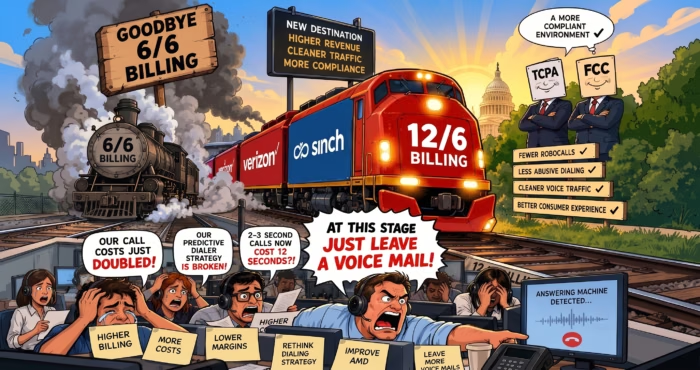
END OF AN ERA!!!! A small change in how phone calls are billed could cost some businesses a lot

Uncategorized
Oct 19, 2026
2 min read
Sometimes, what’s behind the curtain matters more than what’s on the stage.

Uncategorized
Oct 19, 2026
2 min read
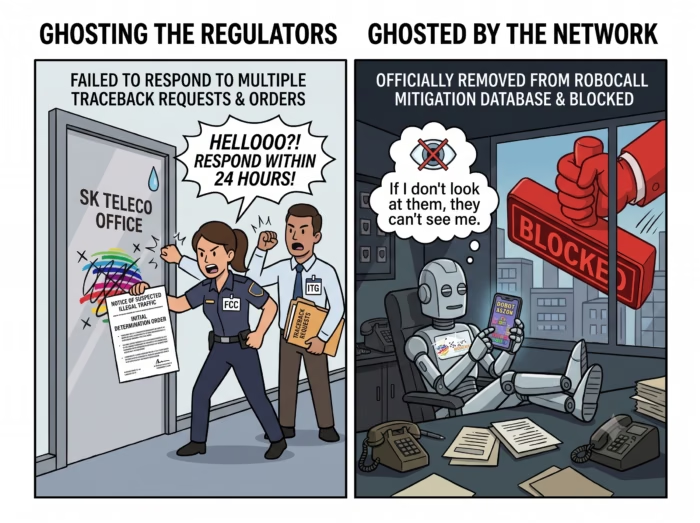
ICYMI (In Case You Missed It) / Deadline Warning: The 30-Day Countdown is Almost Up!
You might be interested in
-
 UncategorizedOct 19, 2026 2 min read
END OF AN ERA!!!! A small change in how phone calls are billed could cost some businesses a lot
-
 UncategorizedOct 19, 2026 2 min read
Sometimes, what’s behind the curtain matters more than what’s on the stage.
-
 UncategorizedOct 19, 2026 2 min read
ICYMI (In Case You Missed It) / Deadline Warning: The 30-Day Countdown is Almost Up!


